Cross-Border E-Commerce: Navigating International Shipping
By Michael Lee • December 20, 2024
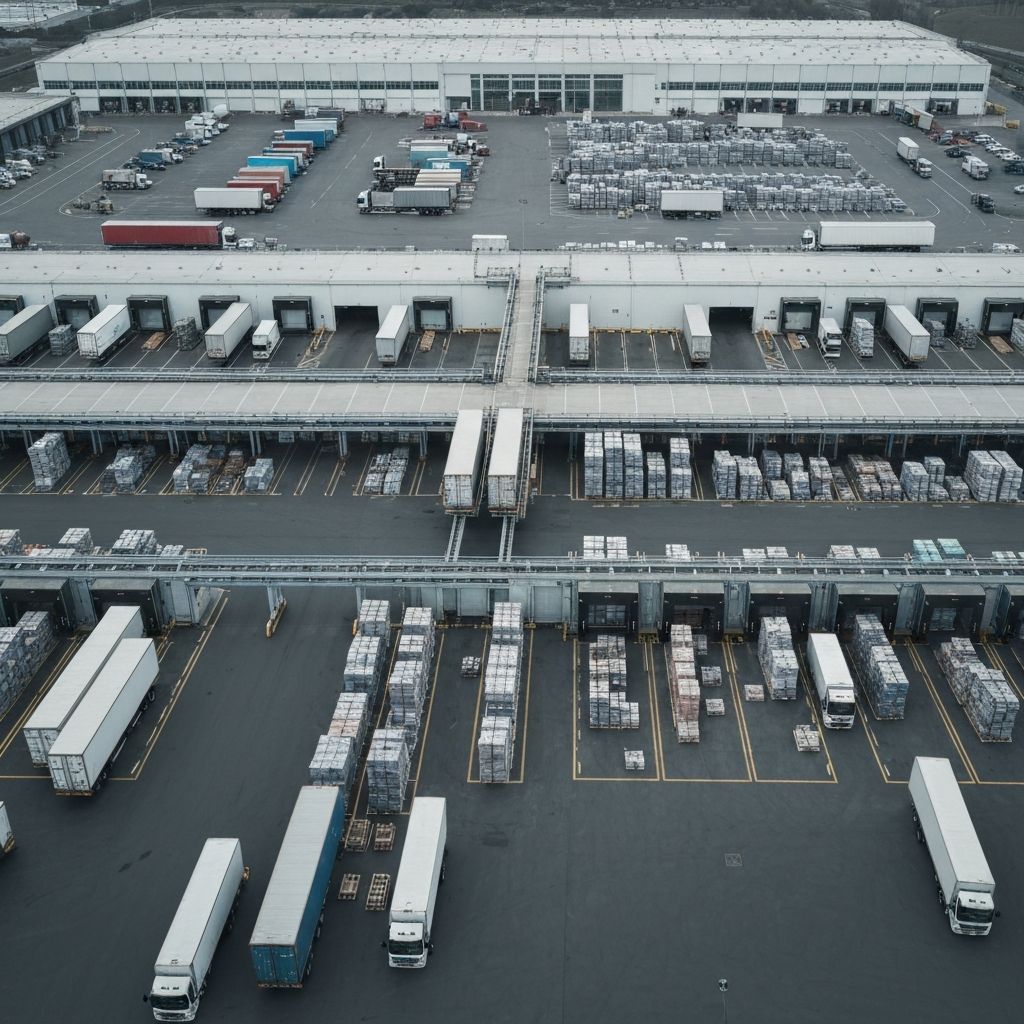
The globalization of e-commerce has created unprecedented opportunities for businesses to reach customers worldwide. However, international expansion introduces significant complexity, particularly in logistics and shipping. Cross-border e-commerce requires navigating customs regulations, managing international shipments across multiple countries, optimizing delivery times, and controlling costs across diverse geographic regions. Understanding the intricacies of international shipping is essential for e-commerce businesses that want to successfully expand beyond their domestic markets.
Understanding Customs and International Regulations
Customs clearance represents one of the most complex aspects of cross-border shipping. Each country maintains unique regulations governing what can be imported, in what quantities, and at what tariff rates. Failure to comply with these regulations can result in shipments being held at customs, returned to sender, or confiscated entirely, creating significant financial losses and customer dissatisfaction.
Accurate customs documentation is absolutely critical for smooth international operations. Proper classification of goods, accurate determination of value for tariff purposes, and complete customs declarations are essential to avoid delays and penalties. Different countries apply different tariff rates to identical products depending on their classification, meaning incorrect classification can dramatically affect shipping costs and profitability.
Many countries offer free trade agreements with preferential tariff rates for goods from partner countries. Understanding which agreements apply to your shipments and properly documenting country of origin can result in substantial savings. Working with experienced customs brokers and international logistics providers helps ensure compliance while optimizing duty payments.
Selecting the Right Shipping Methods
International shipping offers multiple options, each with distinct advantages and tradeoffs. Air freight offers the fastest delivery but at premium costs, making it suitable only for high-value items or time-sensitive shipments. Ocean freight provides the most economical solution for large shipments but requires longer transit times, sometimes spanning 3-6 weeks. Ground transport works for regional shipments to neighboring countries but is impractical for transcontinental shipping.
Effective cross-border operations often employ multiple shipping methods depending on destination, shipment size, and customer expectations. A sophisticated logistics strategy might use air freight for premium customers willing to pay for speed, consolidate standard shipments into economical ocean freight services, and utilize ground transport for nearby markets. This multi-modal approach balances cost and speed while optimizing overall customer satisfaction.
Regional Warehousing and Distribution Networks
Strategic warehouse placement in key international markets dramatically improves cross-border e-commerce operations. By establishing distribution centers in major markets, companies can position inventory closer to end customers, significantly reducing shipping times and costs. A product shipped from a regional warehouse in Europe reaches European customers far more quickly and economically than the same product shipped from Asia or North America.
Regional warehousing requires significant capital investment and careful market analysis to determine optimal locations. However, for high-volume international operations, the investment typically pays for itself through improved customer satisfaction, reduced shipping costs, and improved ability to serve international customers competitively. Many successful international e-commerce businesses maintain regional distribution centers on multiple continents.
International warehousing also enables benefits such as local value-added services. Products can be packaged in local languages and currencies, assembled with region-specific components, or customized to meet local preferences. These services enhance customer experience and can justify the investment in regional warehouse operations.
Managing Returns and Reverse Logistics
International returns are considerably more complex than domestic returns. Return shipping costs are substantially higher, and the regulations governing international returns vary by country. Developing a comprehensive returns strategy is essential to minimize losses from returns while maintaining customer satisfaction. Some successful international businesses offer limited or no returns to manage logistics complexity, while others absorb return shipping costs as a customer service investment.
Reverse logistics—the process of managing returned products—becomes increasingly complex internationally. Returns must clear customs in both the country of origin and the destination country, requiring proper documentation and compliance with regulations. Efficient reverse logistics systems minimize the time and cost associated with returns while recovering value from returned merchandise through refurbishment or liquidation.
Currency, Payment, and Pricing Strategies
International e-commerce introduces currency considerations that complicate pricing and profitability analysis. Exchange rate fluctuations can dramatically affect margins on international shipments. Many successful international e-commerce businesses incorporate currency hedging strategies to protect against adverse exchange rate movements, or adjust pricing dynamically based on current exchange rates.
Transparency about total costs is essential for customer satisfaction in international transactions. Customers expect to see clearly how much they're paying for the product, shipping, and any applicable duties or taxes. Hidden costs discovered at checkout create cart abandonment and customer dissatisfaction. Many successful international businesses prominently display all-inclusive pricing including estimated duties and taxes.
Technology and Integration
Successfully managing international operations requires sophisticated technology systems that integrate with customs brokers, international carriers, and regulatory databases. Real-time tracking systems allow customers to monitor international shipments as they move through customs and across borders. Automated systems ensure compliance with local regulations while optimizing shipping methods and costs.
APIs connecting to international logistics providers, customs brokers, and payment processors enable seamless operations across multiple markets. These systems handle currency conversion, regulatory compliance, documentation, and shipment tracking automatically, reducing manual work and minimizing errors that could disrupt international operations.
Strategies for International Success
Successful cross-border e-commerce requires understanding each market's unique characteristics and adapting your operations accordingly. Starting with simpler markets that share language, culture, and regulatory frameworks with your home market provides valuable experience before expanding to more complex international markets. Partnering with experienced logistics providers who understand local regulations and maintain relationships with customs authorities and international carriers significantly smooths the international expansion process.
International e-commerce represents a tremendous growth opportunity for forward-thinking businesses. While the complexity of cross-border operations cannot be minimized, proper planning, investment in appropriate technology, and partnership with experienced logistics providers can enable successful international expansion that drives substantial business growth.