Omnichannel Fulfillment: Meeting Customers Everywhere
By Kevin White • December 6, 2024
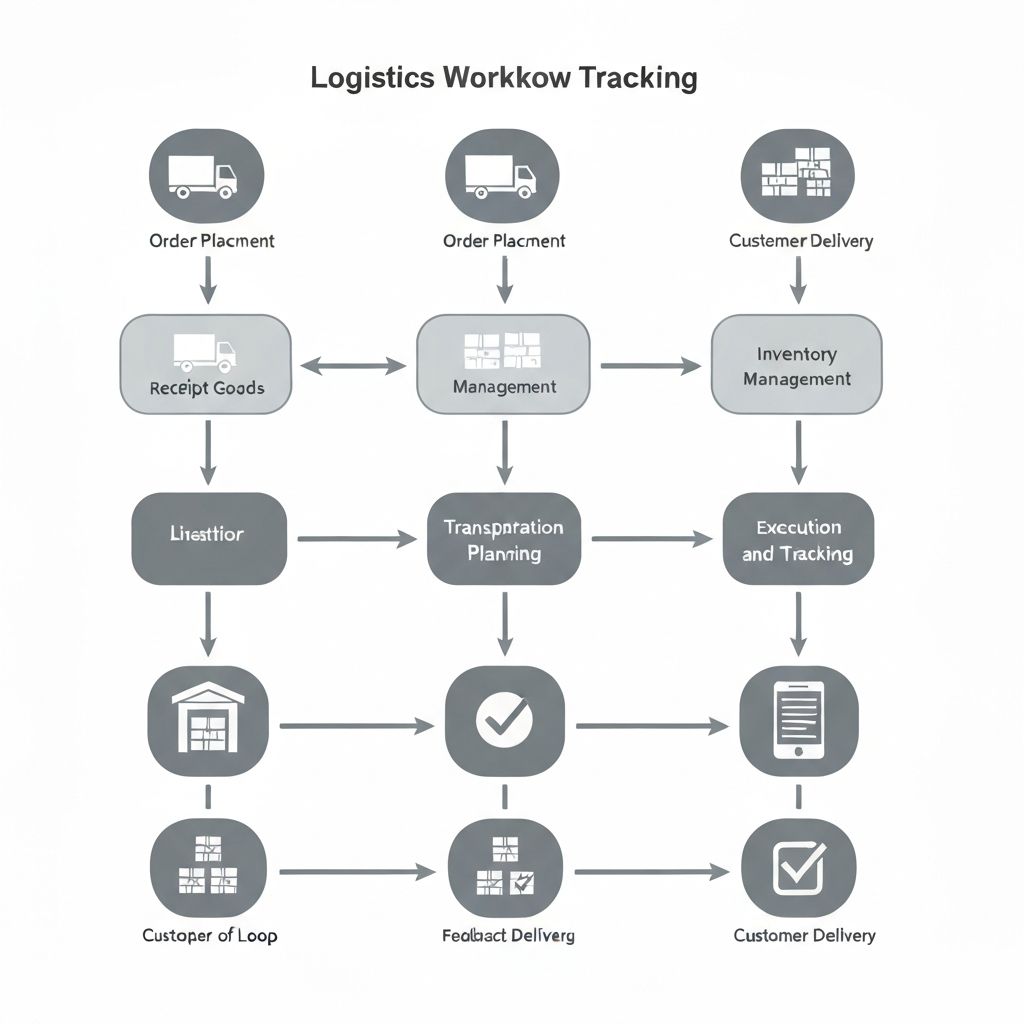
Modern retail has fundamentally changed. Customers no longer shop exclusively through a single channel—they browse products online, purchase from physical stores, return items through the mail, and expect seamless integration across all channels. Omnichannel fulfillment—the ability to fulfill customer orders from any channel, from any inventory location, and deliver through the customer's preferred delivery method—has become essential for competitive retailers. Companies that master omnichannel fulfillment unlock significant competitive advantages, while those that fail to keep up find themselves at a serious disadvantage.
The Omnichannel Challenge
Omnichannel retail is significantly more complex than traditional single-channel operations. Inventory must be managed across physical stores, warehouses, and potentially third-party logistics partners. Customer orders might arrive through a store point of sale system, e-commerce website, mobile app, social media, or other channels, each potentially in different formats and requiring different fulfillment approaches. A single customer might return items through a store, request refunds online, or expect mail-in returns, requiring flexible return management.
This complexity creates significant challenges. Physical stores traditionally maintained their own inventory optimized for walk-in traffic, not for supporting online orders. Warehouse inventory was optimized for bulk shipments, not individual orders. Integration between these systems was often limited or nonexistent. Implementing true omnichannel fulfillment requires reimagining inventory management, order fulfillment, and return processes to support this new reality.
Unified Inventory Management
At the heart of omnichannel fulfillment lies unified inventory management—a single view of all inventory across all locations. Real-time integration between store point-of-sale systems, warehouse management systems, and third-party fulfillment partners creates transparency about available inventory everywhere in the network. This visibility enables intelligent routing of orders—fulfilling online orders from the location closest to the customer, offering in-store pickup when available, or routing to specialized fulfillment centers when appropriate.
Unified inventory requires sophisticated data integration and synchronization. Inventory updates in stores must be reflected immediately in the online system to prevent overselling. Inventory transfers between locations must be tracked in real-time. This level of integration requires substantial investment in technology infrastructure but delivers substantial benefits through improved fulfillment flexibility and customer service.
Flexible Fulfillment Strategies
True omnichannel fulfillment offers customers multiple options for receiving their purchases. Buy-online-pickup-in-store (BOPIS) enables customers to purchase online and pick up at a nearby store, offering speed and convenience while avoiding shipping costs. Ship-from-store programs enable stores to fulfill online orders, utilizing local inventory and reducing warehouse workload. Curbside pickup and locker delivery offer convenience for busy customers. In-home delivery for large items provides convenience for customers who cannot easily transport large purchases.
Offering multiple fulfillment options requires managing different logistics processes. BOPIS requires managing store inventory dedicated to online orders and ensuring fulfillment and notification happen smoothly. Ship-from-store requires integrating store systems with shipping carriers and managing package handling in retail environments not designed for shipping operations. Each fulfillment method has different cost characteristics, making selection based on customer location and order characteristics essential to profitability.
Return and Reverse Logistics
Omnichannel return management is considerably more complex than traditional returns. Customers might return items to physical stores, mail items back to warehouses, or drop items at third-party locations. Returns from online purchases must be tracked, inspected, and routed appropriately for refund or restocking. Managing reverse logistics across multiple channels and return locations requires sophisticated systems and careful process design.
Some retailers have turned return management into a competitive advantage by making returns exceptionally convenient. Free mail returns, in-store return acceptance, and flexible return windows build customer loyalty and reduce friction in the purchasing decision. However, this convenience comes at a cost—managing high return volumes through multiple channels can be expensive. The optimal approach balances customer convenience against operational cost.
Technology Infrastructure
Omnichannel fulfillment requires substantial technology infrastructure. Order management systems must receive orders from multiple sources, route them to optimal fulfillment locations, and track fulfillment progress. Inventory management systems must provide real-time visibility across all locations. Warehouse management systems must handle different order types—bulk shipments, individual orders, customer returns. Integration middleware connects these systems and coordinates operations.
Mobile technology enables store associates to fulfill online orders, manage inventory, and handle customer service from anywhere in the store. Real-time tracking systems provide customers with visibility into order status and delivery. Predictive analytics optimize inventory allocation across locations based on anticipated demand patterns. These technologies work together to enable the flexibility and visibility that omnichannel operations require.
Measuring Omnichannel Success
Success in omnichannel fulfillment requires measuring performance across multiple dimensions. Fulfillment speed—how quickly orders are processed and delivered—directly impacts customer satisfaction. Fulfillment accuracy—how frequently orders are complete and correct on arrival—affects customer satisfaction and return rates. Inventory accuracy—how closely physical inventory matches system records—affects operational efficiency and customer service. Cost—how much fulfillment costs as a percentage of order value—affects profitability.
Retailers must balance these metrics, recognizing that optimizing one metric in isolation might harm others. Fast fulfillment might reduce accuracy. Low-cost fulfillment might reduce speed. The optimal balance depends on customer expectations, competitive dynamics, and business profitability requirements. Continuous measurement and adjustment of fulfillment strategies ensures that performance matches evolving business requirements.
The Future of Retail Fulfillment
As customer expectations continue to evolve and technology continues to advance, omnichannel fulfillment capabilities will become increasingly important. Retailers that develop sophisticated omnichannel capabilities will attract and retain customers, while those that fall behind will find themselves at a competitive disadvantage. The investment required is substantial, but the competitive advantages delivered make omnichannel fulfillment an essential strategic priority for modern retailers.
DPD's comprehensive fulfillment services support omnichannel operations across all channel combinations. Our integrated systems, flexible fulfillment options, and expertise in managing complex multi-channel operations enable retailers to deliver seamless customer experiences across all channels. Whether you're managing BOPIS operations, ship-from-store logistics, or complex return flows, our solutions are designed to support your omnichannel strategy.