Temperature-Controlled Logistics: Protecting Sensitive Goods
By Jennifer Brown • December 16, 2024
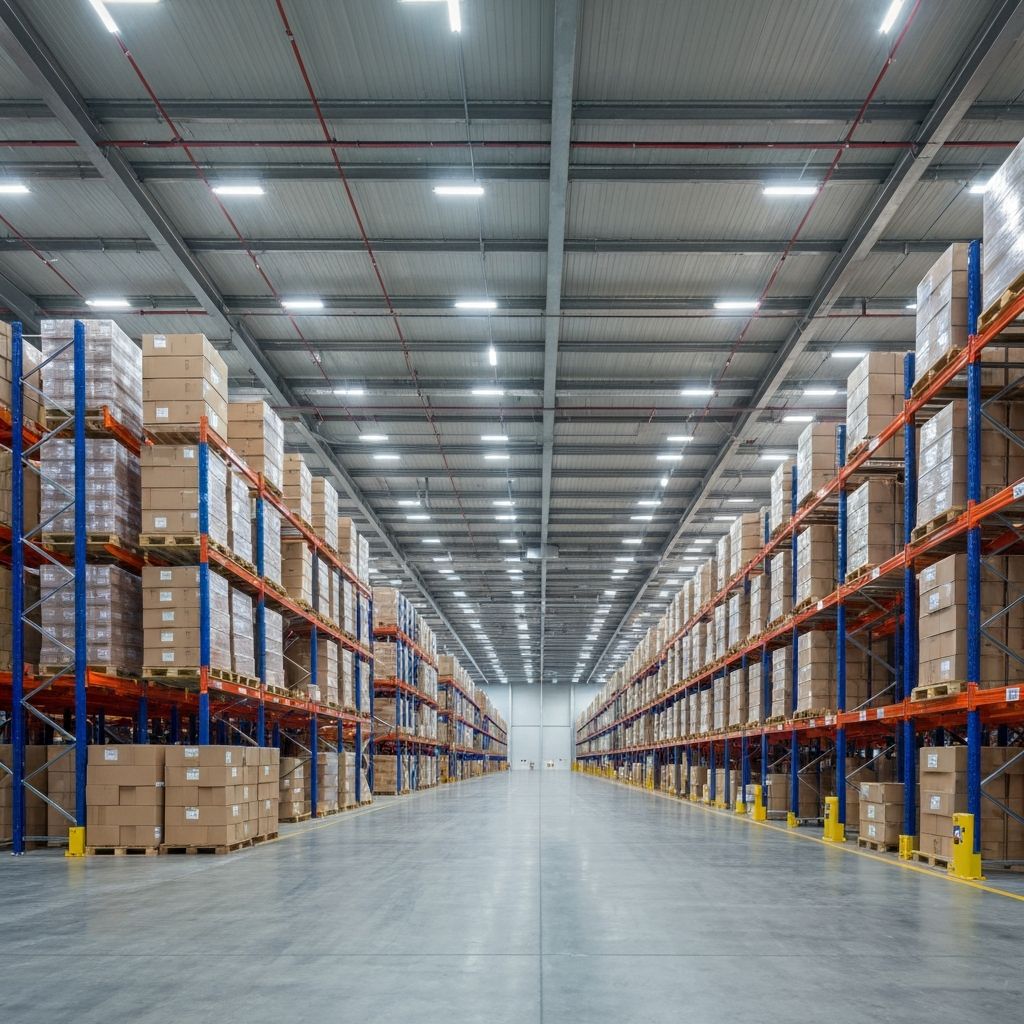
The global trade in temperature-sensitive goods—pharmaceuticals, vaccines, and other perishables—represents a multi-billion dollar market essential to public health and global commerce. However, these goods are remarkably fragile, with many degrading or becoming unsafe if exposed to improper temperatures for even brief periods. Temperature-controlled logistics has become a critical industry, requiring specialized equipment, expertise, and rigorous quality control to ensure that sensitive goods reach their destinations in perfect condition. Understanding the complexities of temperature-controlled shipping is essential for businesses handling heat-sensitive or cold-sensitive products.
The Importance of Temperature Control
Temperature sensitivity varies widely across different products. Pharmaceuticals might remain stable within a narrow temperature range, often 2-8°C for refrigerated medications or 15-25°C for room-temperature products. Food products have different requirements based on type—frozen foods require -18°C or lower, while fresh produce might require 2-5°C with specific humidity levels. Vaccine supply chains require unbroken cold chains from manufacture through final administration, with temperature deviation potentially rendering vaccines unsafe or ineffective.
Even brief temperature excursions can compromise product quality. A refrigerated pharmaceutical exposed to room temperature for a few hours might degrade, compromising efficacy without visible signs of damage. Food products exposed to freezing temperatures might suffer texture changes that make them unsuitable for sale. Vaccines exposed to temperatures above their stability range become unsafe for human use. For these reasons, temperature-controlled logistics demands exceptional attention to detail and continuous monitoring.
Cold Chain Infrastructure and Equipment
Temperature-controlled logistics relies on specialized equipment designed to maintain precise temperatures throughout the supply chain. Refrigerated containers, insulated shippers, temperature-controlled trucks, and climate-controlled warehouses work together to create an unbroken chain of temperature control from manufacturer to end user. The quality of this infrastructure directly impacts the safety and efficacy of transported goods.
Modern temperature-controlled vehicles incorporate advanced insulation, refrigeration systems, and temperature monitoring technology. Vehicles maintain internal temperatures within specified ranges despite external temperature fluctuations. Real-time monitoring systems record temperature continuously, documenting that products remained within acceptable ranges throughout transport. This documentation is essential for regulatory compliance and for maintaining confidence in product quality.
Insulated shippers—thick-walled containers lined with insulation and designed for single or multiple uses—protect goods during shorter transport stages. These shippers can maintain specified temperatures for hours or even days without active refrigeration, enabling transportation of temperature-sensitive goods through areas without access to powered refrigeration. The design and contents of insulated shippers must be carefully selected based on ambient temperature, expected transport time, and specific temperature requirements of products.
Regulatory Requirements and Compliance
Temperature-controlled logistics for pharmaceuticals operates under strict regulatory requirements established by agencies including the FDA, EMA, and equivalent authorities in other countries. These regulations specify acceptable temperature ranges for different product categories, require continuous temperature monitoring, demand detailed documentation of temperature conditions throughout transport, and require investigation and remediation of temperature excursions.
GDP (Good Distribution Practice) guidelines establish standards for the distribution of pharmaceutical products, emphasizing the importance of temperature control, monitoring, and documentation. These guidelines are not optional suggestions but legal requirements that apply to all parties involved in pharmaceutical distribution. Failure to comply with GDP guidelines can result in regulatory sanctions, product recalls, and liability for any harm to patients resulting from compromised products.
Food products face different but equally stringent requirements established by food safety regulations in different countries. These regulations mandate specific storage temperatures, require monitoring and documentation, specify cleaning and sanitation procedures, and require rapid response to any evidence of temperature deviation or contamination.
Technology and Monitoring Systems
Advanced technology has revolutionized temperature-controlled logistics by enabling real-time monitoring and documentation. Temperature data loggers record temperatures at frequent intervals throughout transport, creating an electronic record of temperature conditions. This data can be accessed remotely, enabling real-time alerts if temperatures deviate from specified ranges, allowing rapid intervention before products are compromised.
IoT sensors integrated into shipments provide continuous monitoring combined with location tracking. These systems can identify if a shipment has been exposed to improper temperatures, where the deviation occurred, how long it lasted, and what corrective actions were taken. This granular data enables rapid identification of problems and implementation of corrective actions.
Blockchain technology is increasingly being adopted for temperature-controlled supply chains, creating permanent, tamper-proof records of temperature conditions throughout transport. These records provide absolute proof that products maintained required temperatures, critical for establishing product integrity and supporting regulatory compliance.
Special Considerations for Different Product Categories
Pharmaceutical products present unique challenges due to strict regulatory requirements, high product value, and serious consequences of temperature deviation. Vaccines present particularly complex challenges, as their efficacy becomes compromised by either heat or excessive cold. The cold chain required for vaccine distribution demands exceptional attention to temperature maintenance and monitoring at every stage.
Perishable food products require different approaches, with refrigeration temperatures (2-5°C), freezing temperatures (-18°C or lower), and ambient storage all employed for different product types. Fresh produce requires not only precise temperature control but also specific humidity management to maintain appearance and quality. Frozen foods require absolute maintenance of freezing temperatures to prevent thaw cycles that would compromise quality.
Managing Temperature Excursions
Despite best efforts, temperature excursions occasionally occur. Proper procedures for managing excursions are critical to maintaining supply chain integrity. Any temperature deviation must be documented, investigated, and appropriate corrective actions taken. For some products, minor excursions might be acceptable and require no action. For others, excursions might require product testing to confirm safety, quarantine of affected products pending investigation, or product disposal if safety cannot be confirmed.
Future Developments
Temperature-controlled logistics continues to evolve with advances in technology, materials science, and sustainability practices. Passive cooling systems utilizing phase-change materials may eventually reduce reliance on active refrigeration for some applications. Improved insulation materials and designs continuously improve performance. Integration of artificial intelligence promises to optimize temperature control through predictive analytics and real-time optimization.
As global demand for temperature-sensitive products continues to increase, the importance of reliable temperature-controlled logistics will only grow. Companies that develop expertise in temperature-controlled logistics position themselves to serve growing markets while ensuring that critical products reach their destinations in perfect condition.